Eosin
Some of the most sought-after Zsolnay items today are the items that feature the famous luminescent glaze called Eosin. The name refers to the Greek goddess of dawn Eos. The secret Eosin technique which Vilmos Zsolnay developed creates iridescent metallic colours that are unique to every piece. Each Eosin object is unique and unrepeatable.


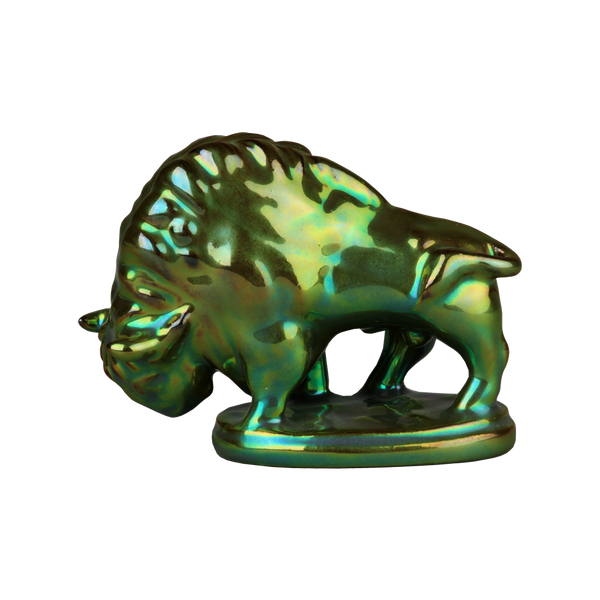
Bison

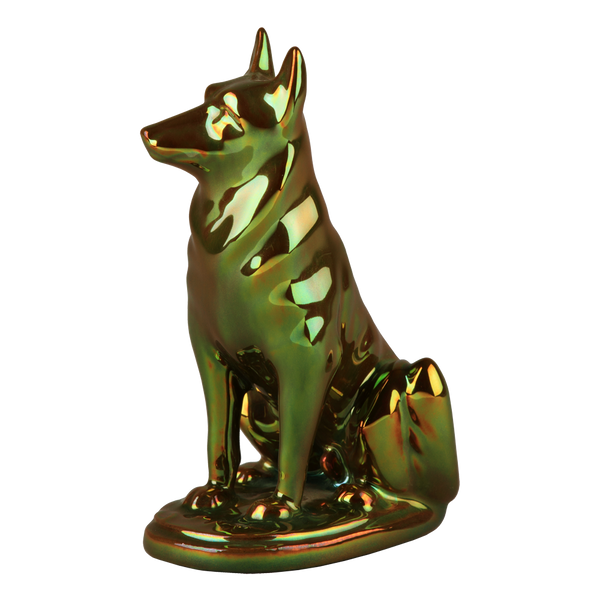
German Shepherd - Eosin

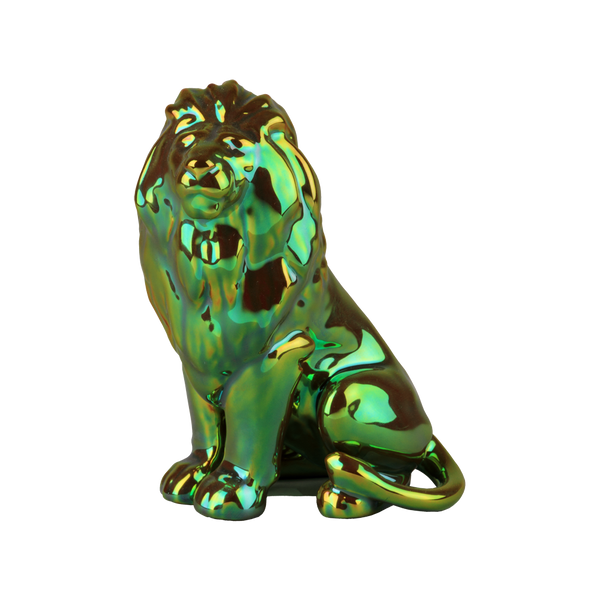
Lion - Eosin

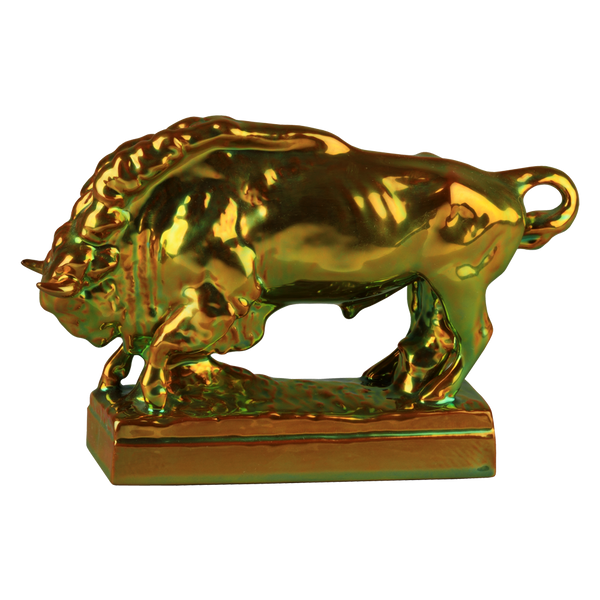
Standing Buffalo


Török János - Harp Player


Török János - Cello Player


Anonymus


Judit Nador - Mountain Goat

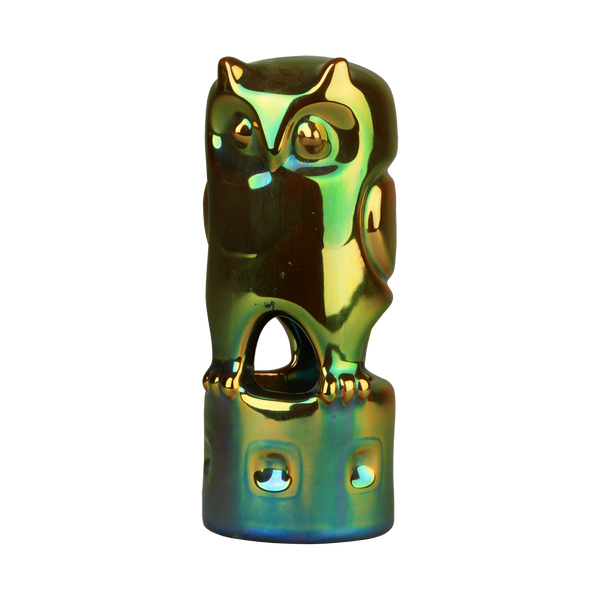
Judit Nador - Owl

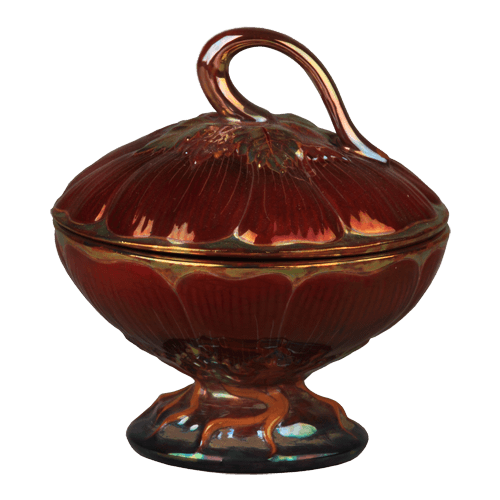


Elongated Vase

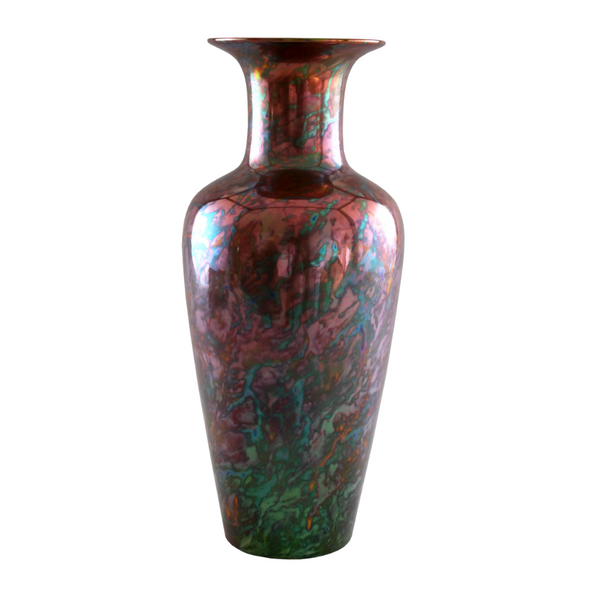
Storm Vase


Ribbon-Ear Vase


Ribbon Vase - Purple Eosin


Pierced Eosin Bowl - Purple


6193 Eosin Vase - Stuffolt


Eosin Leaf Pitcher


6193 Eosin Vase


Eosin Jaguar


Eosin Greyhound


Ganesha


Sitting Mermaid - Eosin Figurine


Pécs Fountain Figurine


Studious Owl


Minaret


Breadmaker Figurine


Eosin Flower Pot - 26cm


High Pierced Vase


Eosin Pipe Dog


Checkered Owl


Checkered Bear - Purple


Checkered Bear


Török János - Warrior


Earth Goddess


Art Nouveau Tendrils Bowl


Vase with Two Women


Fisher Woman - Eosin


Fisher Woman - Purple


Water Goddess


Toucan Figure


Woman Pitcher - Purple Eosin


Moon Vase


Two Tulips


Petal Bowl
Since 1853
Creating luxurious porcelain
Zsolnay has been associated with uniqueness, artistic
quality, and innovation for 170 years. Over the course of its history, the manufactory has always contributed something new and distinctive to every period. Our handpainted products are made in Pécs, Hungary.

Recently viewed
Since 1853
The Zsolnay Family
The Zsolnay factory was established in 1853 by Miklós Zsolnay in Pécs, Hungary. Ten years later, his son Vilmos Zsolnay joined the company and became its director. He led the factory to worldwide recognition by demonstrating its innovative products at world fairs and international exhibitions.
Zsolnay goes worldwide
Vienna World Expo
The Vienna World Expo brought the first success for the Zsolnay manufacture in 1873. The professional jury was enchanted by the product range made in Pécs. The Austro-Hungarian monarch rewarded Vilmos Zsolnay with the Ferencz Jozsef Order of merit.
Building Hungary
Pyrogranit
In 1886 Zsolnay introduced a frost-resisting building material called Pyrogranit. These
ornamental ceramics were used on numerous buildings specifically during the Art Nouveau movement. In Budapest, countless monuments are decorated with Zsolnay ornaments and tiles. A few examples include the Matthias Church, Parliament and the Great Market Hall.
Iconic Innovation
The Eosin Era
Add your own In 1893 Vilmos Zsolnay introduced Eosin, a rich, iridescent glazing technique. This technique became a trademark of Zsolnay and a favorite of art nouveau artists. The technique is a well-kept secret of the manufacture and its magical appearance has
captivated collectors all over the world.